

 News Center
Unpacking the “Mystery Box” of the Lunar Far Side
On July 9, 2025, the Chinese Academy of Sciences released a series of research achievements on Chang’E-6 lunar samples, published as a cover article in the international academic journal Nature. In this study, the domestically developed Genesis GEO matrix-array femtosecond laser ablation system integrated with mass spectrometry (fs-LA-ICP-MS) was used for the first time to conduct precise quantitative analysis of elemental compositions in Chang’E-6 lunar far-side samples. This work was subsequently featured in the journal Nature.
Four major studies based on samples collected by China’s Chang’E-6 lunar mission have now been published. These achievements respectively reveal lunar far-side magmatic activity, ancient lunar magnetic field, lunar mantle water content, and lunar mantle evolutionary characteristics, providing the first insight into the evolutionary history of the lunar far side. They offer key evidence for solving the mystery of the lunar “binary dichotomy” and have reshaped humanity’s understanding of the evolutionary framework of solar system celestial bodies.
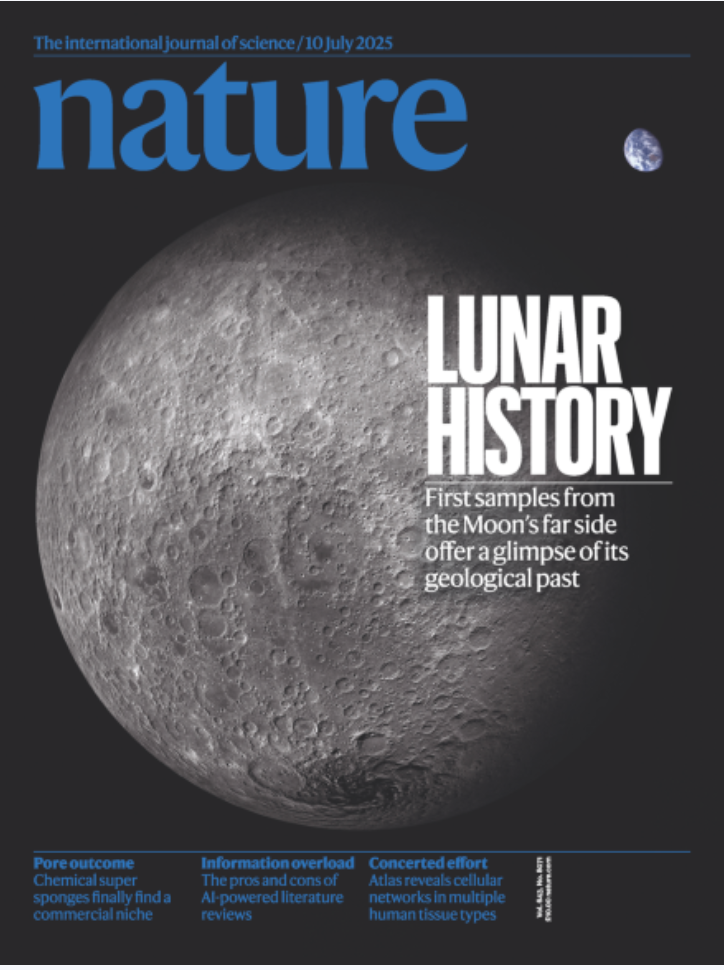
The study of Chang’E-6 samples allowed to achieve several Chinese “firsts,” such as using new domestically developed methods for crucial analyses. The Genesis GEO matrix-array femtosecond laser ablation system, fully independently developed and manufactured by Shanghai ChemLab Instrument Co., Ltd., was honored to participate in this research — from early-stage method development, reference material testing, to actual sample analysis — filling the team with a strong sense of mission and honor.
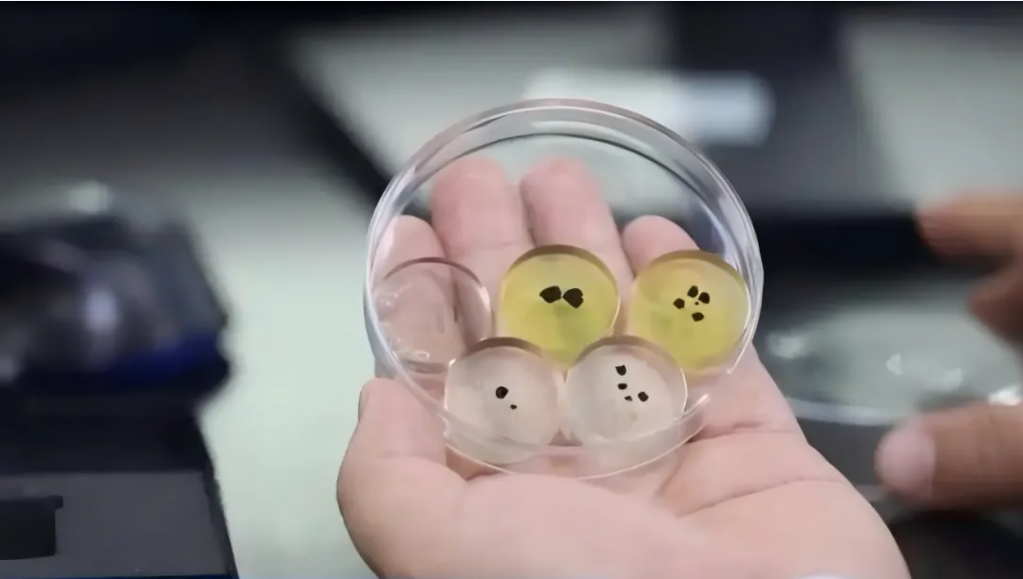
Highlights of Chang’E-6 Series Research
Based on studies of Chang’E-6 lunar soil samples, Chinese scientists have made multiple “pioneering” discoveries:
•The first revelation of two distinct volcanic episodes on the lunar far side at ~4.2 billion and 2.8 billion years ago, indicating that the lunar far side could sustain long-lasting volcanic activity.
•The first acquisition of ancient magnetic field information from the lunar far side, revealing that the lunar magnetic field strength may have rebounded 2.8 billion years ago — indicating the lunar dynamo magnetic field did not decay monotonically but fluctuated.
•The first measurement of water content in the lunar far-side mantle, showing it is significantly lower than that of the near-side mantle, indicating binary heterogeneity in water distribution inside the Moon.
•The first discovery that lunar far-side basalts originate from extremely depleted source regions, possibly indicating extreme depletion of the primitive lunar mantle or melt extraction caused by large impact events. This reveals that the large South Pole-Aitken (SPA) impact event may have exerted a profound influence on the evolution of the Moon’s deep interior layers.
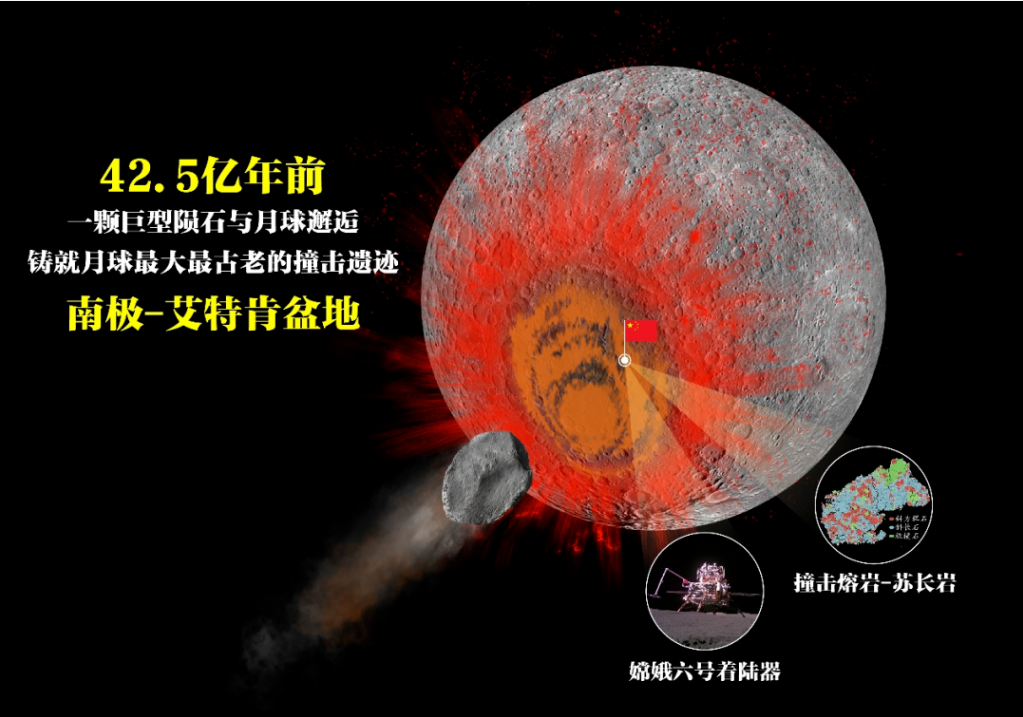
(Image drawn by Su Bin, provided by the Institute of Geology and Geophysics, Chinese Academy of Sciences)
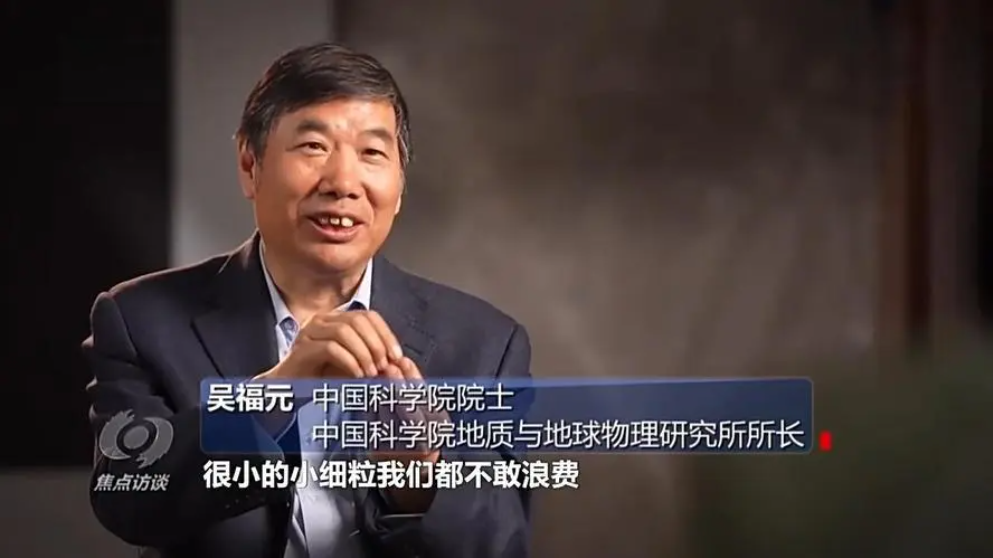
Academician Wu Fuyuan stated that although China’s planetary science research capacity has improved significantly, the country still needs to take an independent path in the future, establish a “Chinese lunar research school,” and form its own ideas and characteristics. This means future planetary science development should emphasize the “late-development advantage.”
First, technological breakthroughs are essential; China should use its expertise in instrument payloads, geochemical analysis, and ion probes to drive rapid results.
Second, efforts should focus on key core scientific questions with concentrated resources, rather than scattered research or following foreign research trends.
In addition, interdisciplinary integration should be enhanced by applying methods from physics, engineering, and related fields.
“Only by tackling key problems as in a battle can we deliver high-quality achievements in the shortest time.”
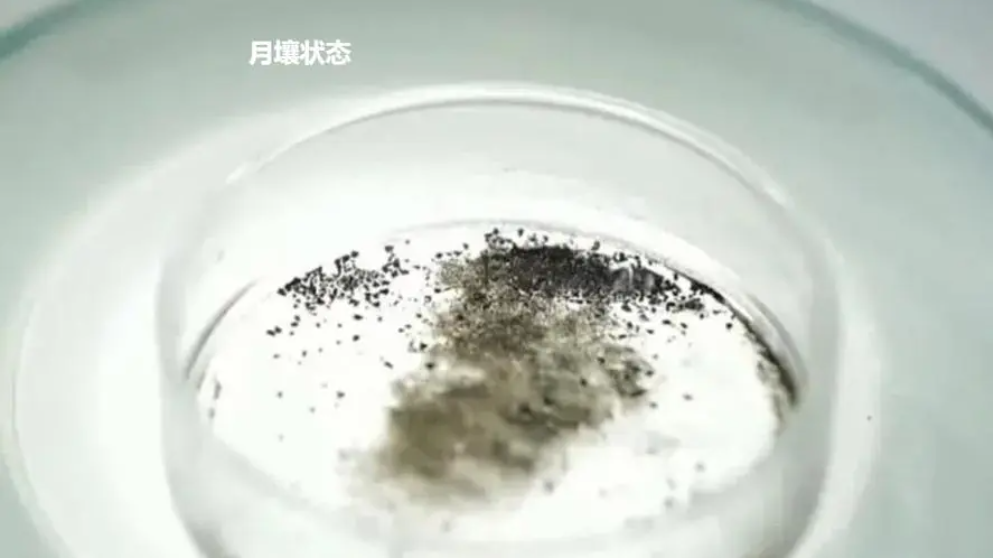
New Breakthrough of Domestic Instruments: Contribution of Genesis GEO
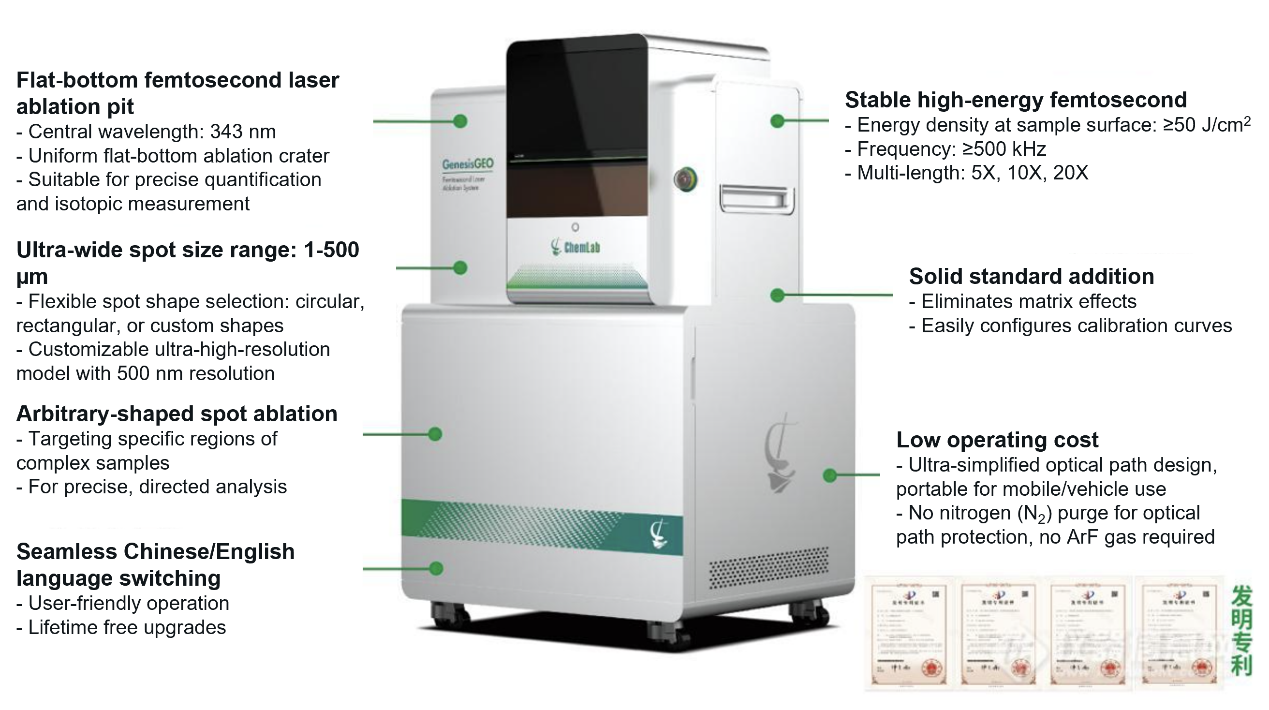
Genesis GEO Femtosecond Laser Ablation System
In this major achievement, the Shanghai ChemLab Genesis GEO femtosecond laser ablation system played a vital role in critical in-situ mineral trace-element analysis.
With technical advantages including high-precision ablation, low sample damage, high-sensitivity detection, simultaneous multi-element analysis, and reduced matrix effects, GenesisGEO has significantly improved the accuracy and reliability of trace-element analysis in lunar soil research, providing strong technical support for lunar sample studies.
As Academician Wu Fuyuan emphasized ——“tackling key problems as in a battle” —— Shanghai ChemLab has long upheld this spirit and corporate culture on the path of developing high-end domestic analytical instruments. Instead of being confined by following traditional foreign technologies, the company starts from practical application demands, chooses advanced technical routes for breakthroughs, concentrates efforts on overcoming core difficulties, and focuses on critical key issues.
We are committed to building advanced, high-end domestic instruments for China, supporting new breakthroughs in China’s scientific research!
Copyright 2024 Shanghai CHEMLAB Instrument Co., Ltd. All Rights Reserved
Shanghai ICP Filing No.65656565