

 News Center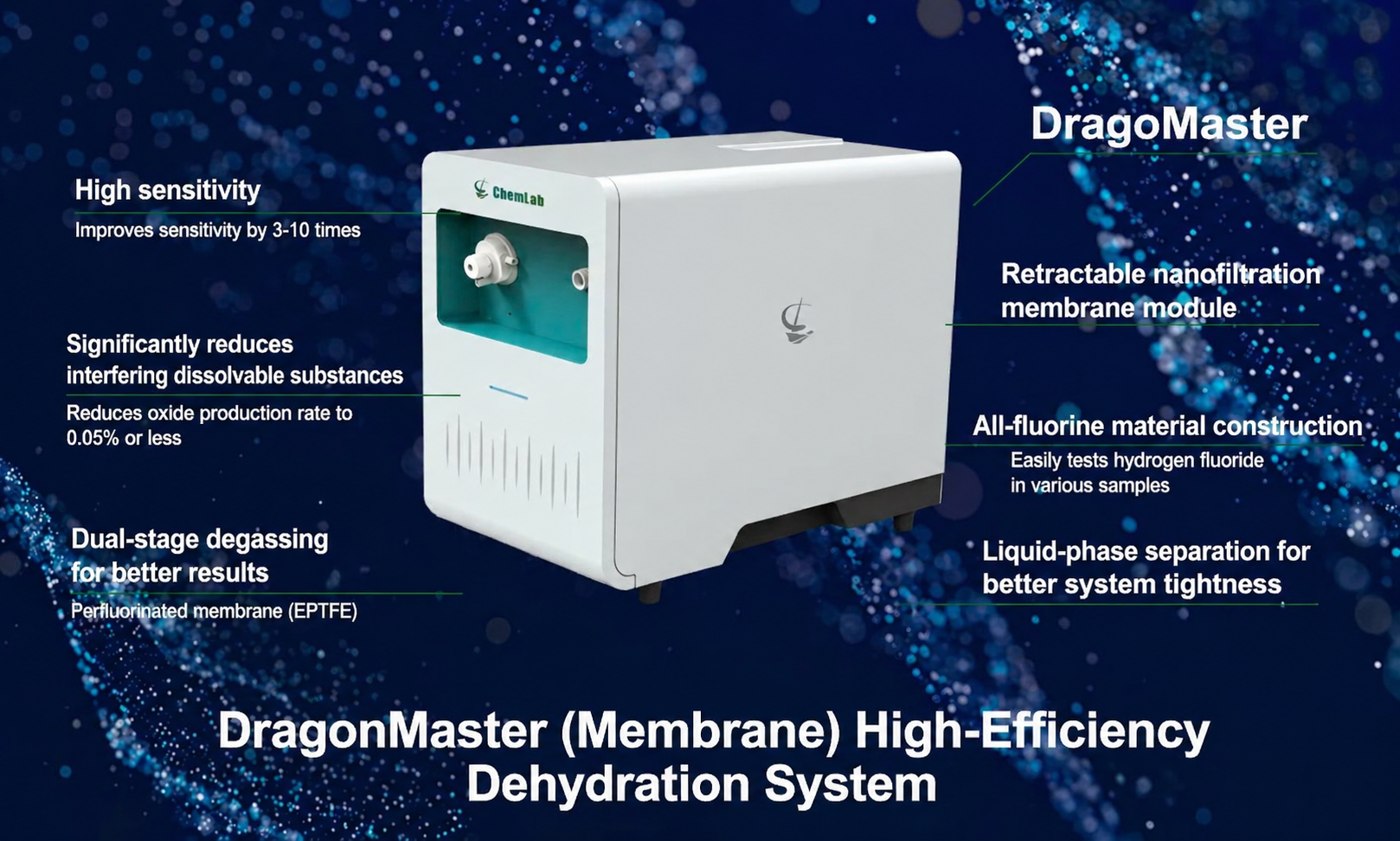
This system, first coupled with multi-collector mass spectrometry, yields excellent data
DragonMaster, a brand-new domestic membrane desolvation nebulizer system fully independently developed by Shanghai ChemLab Instrument Co., Ltd., has undergone extensive testing on conventional quadrupole mass spectrometers. It shows remarkable sensitivity enhancement (3–10×) and long-term stability (8 hours) with RSD < 1.5%. It debuted recently at the Academic Symposium on Advances in Isotope Geology and Celebration of the 40th Anniversary of the Isotope Geology Committee held in Jinan, receiving unanimous praise from many experts and scholars. We anticipate obtaining high-quality data soon by integrating the domestic membrane desolvation system with multi-collector mass spectrometers.
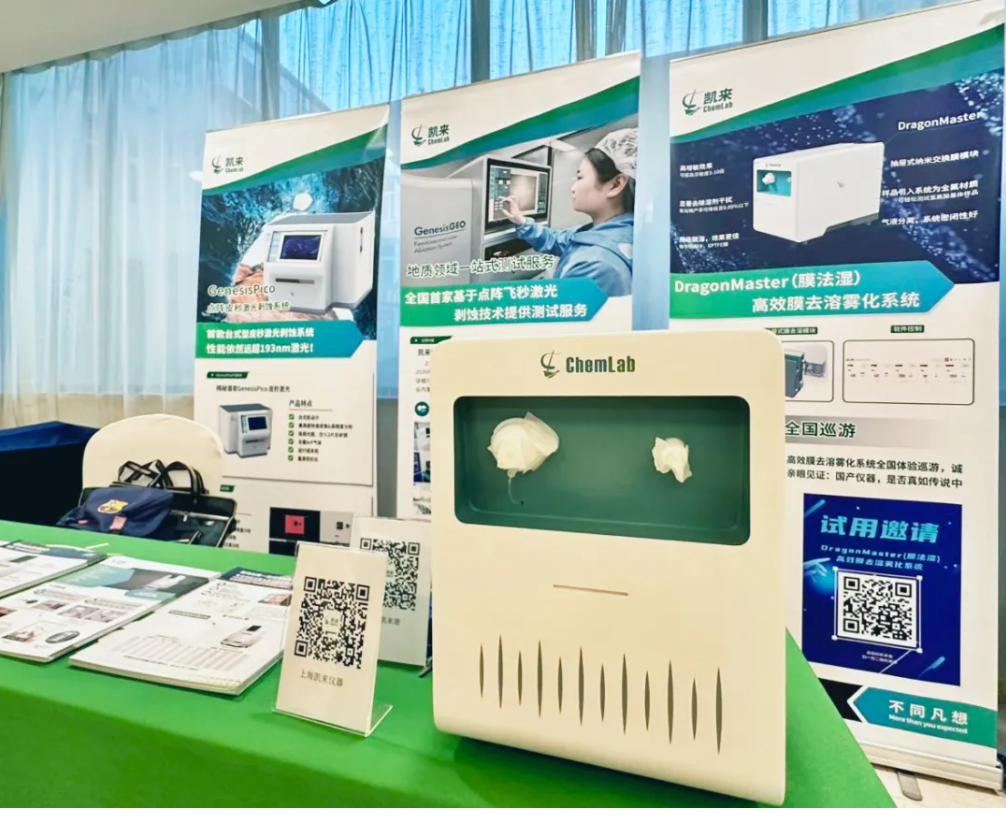
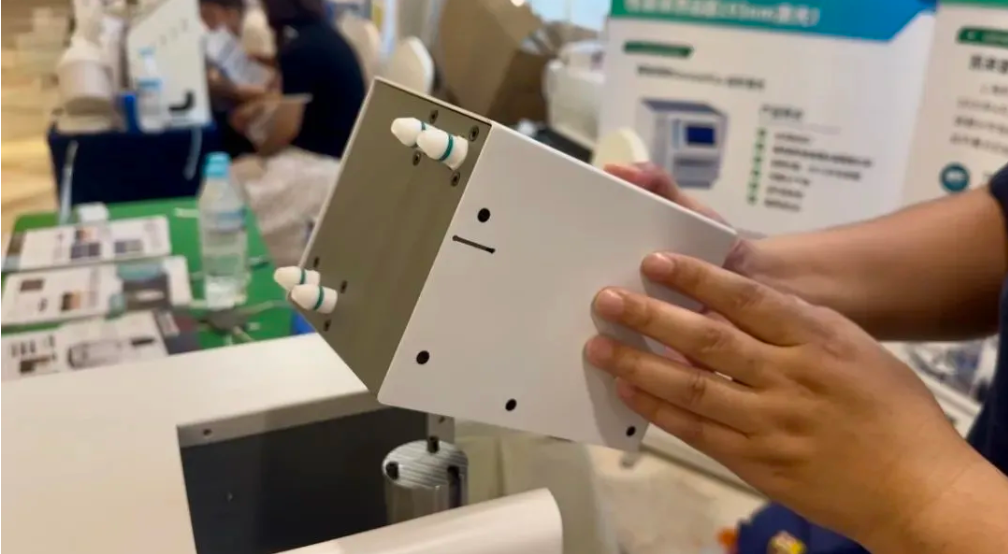
Figures 1&2: Detachable Membrane Desolvation Module
Recently, we collaborated with the Isotope Laboratory of the Institute of Global Environmental Change at Xi’an Jiaotong University and the State Key Laboratory of Continental Dynamics and Early Life at Northwest University for nearly two weeks of testing. DragonMaster was coupled with MC Neptune and Nu 1700 respectively. Uranium isotope tests were performed on the Neptune at Xi’an Jiaotong University, and Pb, Sr, and Nd isotope tests were carried out on the Nu 1700 at Northwest University. The results show accurate isotope ratios and high precision (see Tables 1–5 and Figures 7–10), with stable long-term signals (Figure 11).
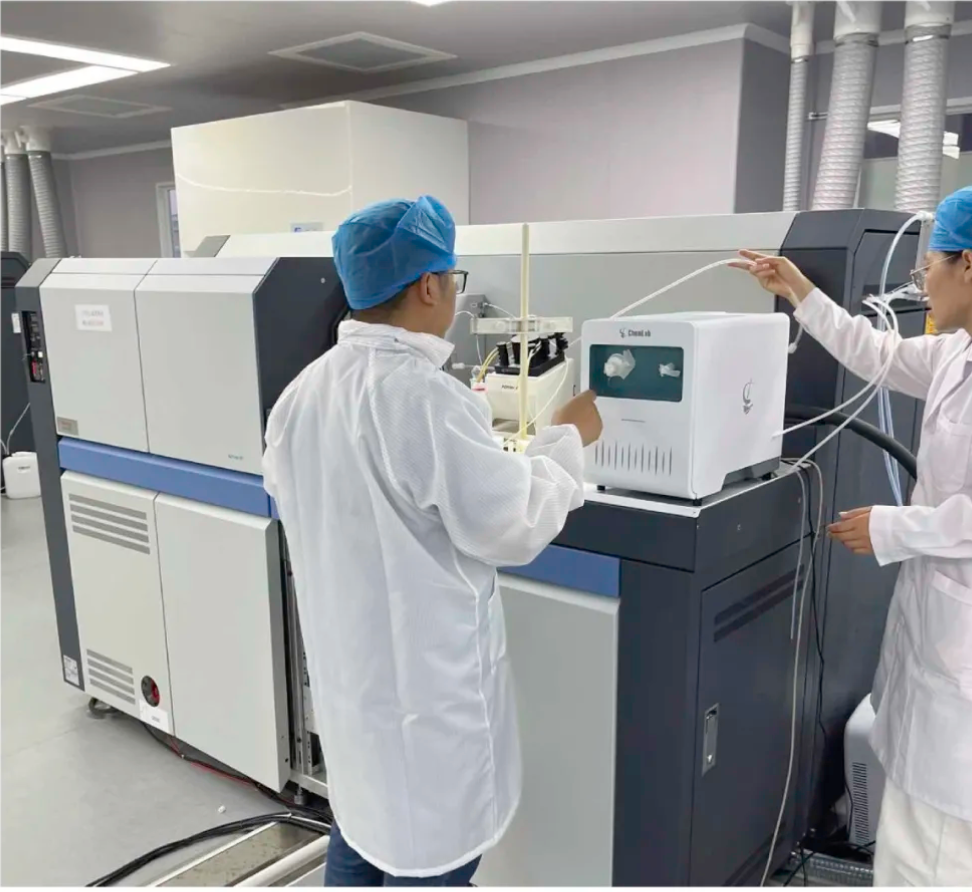
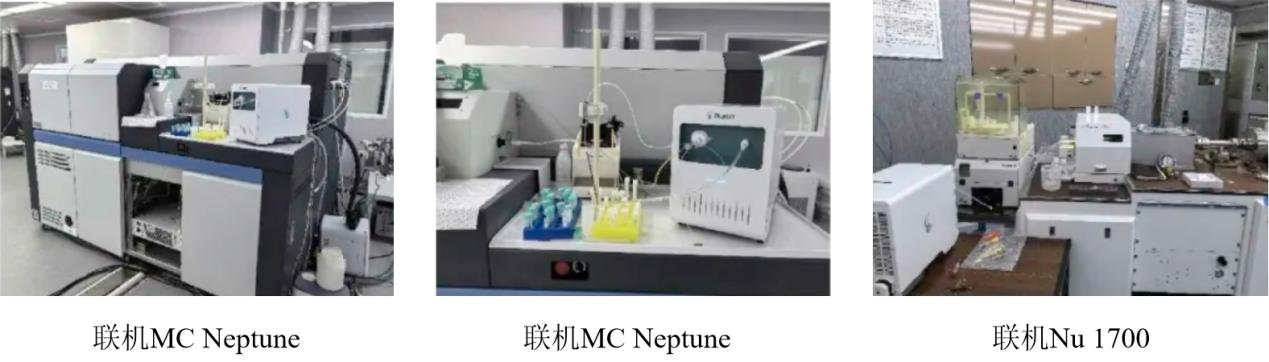
(Figure 3) On-site Testing of DragonMaster;(Figure 4) On-site coupling with MC Neptune;(Figure 5) Coupling with MC Neptune;(Figure 6) Coupling with Nu 1700
Table 1 Measured U isotopic ratio results (112A)
|
Isotope Ratio/Replicate |
1 |
2 |
3 |
4 |
5 |
6 |
7 |
8 |
Theoretical Value |
|
235U/233U |
5.6656 |
5.6719 |
5.6650 |
5.6698 |
5.6700 |
5.6618 |
5.6675 |
5.6683 |
5.67 |
|
2SE |
0.0066 |
0.0065 |
0.0064 |
0.0065 |
0.0063 |
0.0058 |
0.0066 |
0.0062 |
|
|
Δ234U |
-38.3020 |
-38.9367 |
-38.6875 |
-38.6913 |
-38.3312 |
-37.2537 |
-38.4314 |
-37.6744 |
-38.5 |
|
Error ± |
1.2195 |
1.3296 |
1.2307 |
1.2402 |
1.3292 |
1.2445 |
1.3081 |
1.2891 |
|
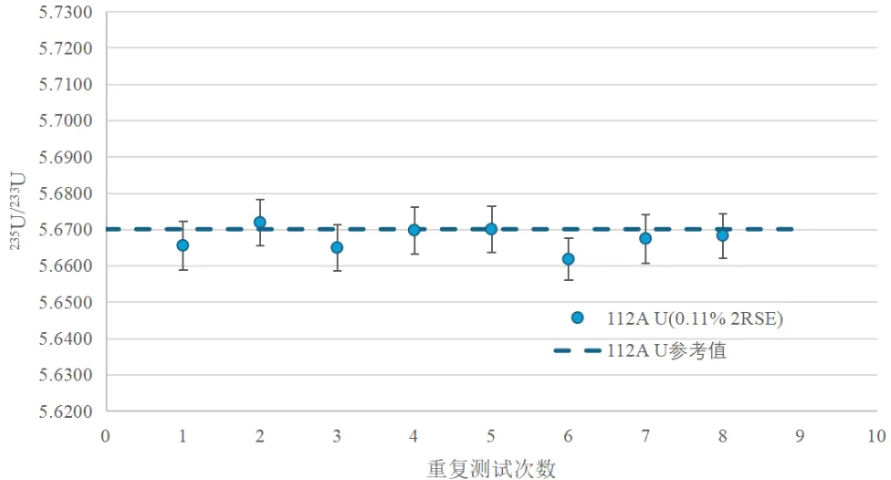
Figure 7 Uranium isotopic ratio trend plot
Table 2 Measured Pb isotopic ratio results (NIST SRM 981)
|
Isotope Ratio/Replicate |
1 |
2 |
3 |
4 |
5 |
6 |
7 |
8 |
Theoretical Value |
|
207Pb/206Pb |
0.914891 |
0.914865 |
0.914881 |
0.914884 |
0.914884 |
0.914882 |
0.914871 |
0.914886 |
0.91489 |
|
1SE |
0.000004 |
0.000004 |
0.000004 |
0.000005 |
0.000004 |
0.000004 |
0.000005 |
0.000005 |
|
|
Isotope Ratio/Replicate |
9 |
10 |
11 |
12 |
13 |
14 |
15 |
16 |
Theoretical Value |
|
207Pb/206Pb |
0.914889 |
0.914885 |
0.914887 |
0.914886 |
0.914882 |
0.914883 |
0.914888 |
0.914884 |
0.91489 |
|
1SE |
0.000006 |
0.000004 |
0.000005 |
0.000004 |
0.000007 |
0.000006 |
0.000004 |
0.000006 |
|
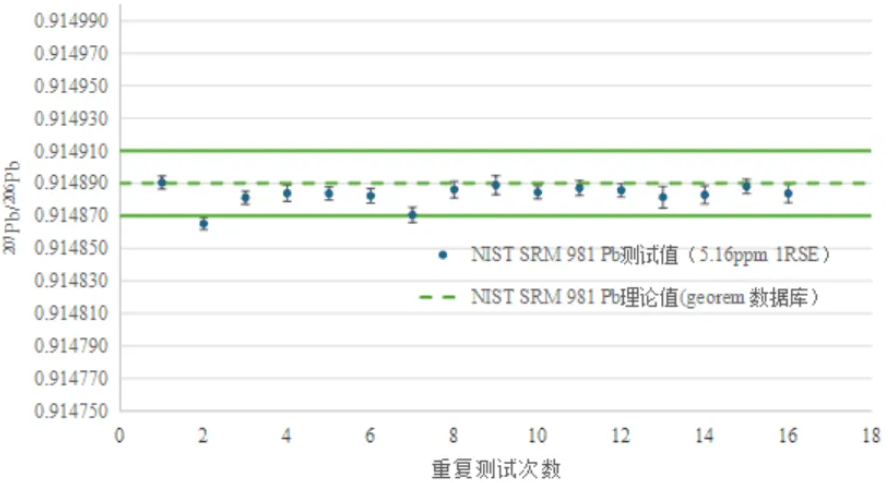
Figure 8 Pb isotopic ratio trend plot
Table 3 Measured Sr isotopic ratio results (NIST SRM 987)
|
Isotope Ratio / Replicate |
1 |
2 |
3 |
4 |
5 |
6 |
7 |
8 |
Theoretical Value |
||||
|
87Sr/86Sr |
0.710236 |
0.710228 |
0.710242 |
0.710245 |
0.710254 |
0.710248 |
0.710259 |
0.710256 |
0.710248 |
||||
|
1SE |
0.000004 |
0.000003 |
0.000004 |
0.000004 |
0.000003 |
0.000004 |
0.000004 |
0.000004 |
|
||||
|
Isotope Ratio / Replicate |
9 |
10 |
11 |
12 |
13 |
14 |
15 |
16 |
Theoretical Value |
||||
|
87Sr/86Sr |
0.710254 |
0.710260 |
0.710254 |
0.710256 |
0.710250 |
0.710257 |
0.710250 |
0.710255 |
0.710248 |
||||
|
1SE |
0.000005 |
0.000003 |
0.000003 |
0.000006 |
0.000005 |
0.000004 |
0.000004 |
0.000004 |
|
||||
|
Isotope Ratio / Replicate |
17 |
18 |
19 |
20 |
21 |
22 |
23 |
24 |
Theoretical Value |
||||
|
87Sr/86Sr |
0.710250 |
0.710248 |
0.710242 |
0.710263 |
0.710259 |
0.710250 |
0.710250 |
0.710258 |
0.710248 |
||||
|
1SE |
0.000004 |
0.000005 |
0.000003 |
0.000003 |
0.000004 |
0.000004 |
0.000006 |
0.000004 |
|
||||
|
Isotope Ratio/Replicate |
25 |
26 |
27 |
Theoretical Value |
|||||||||
|
87Sr/86Sr |
0.710259 |
0.710239 |
0.710248 |
0.710248 |
|||||||||
|
1SE |
0.000004 |
0.000003 |
0.000002 |
|
|||||||||
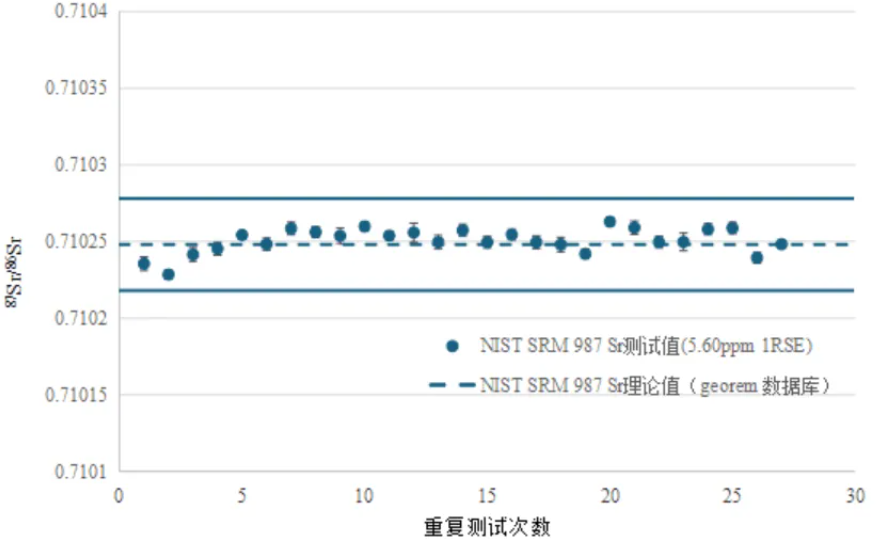
Figure 9 Sr isotopic ratio trend plot
Table 4 Measured Nd isotopic ratio results (JND1)
|
Isotope Ratio / Replicate |
1 |
2 |
3 |
4 |
5 |
6 |
7 |
8 |
Theoretical Value |
|
143Nd/144Nd |
0.512128 |
0.512120 |
0.512127 |
0.512121 |
0.512121 |
0.512122 |
0.512126 |
0.512124 |
0.512115 |
|
1SE |
0.000001 |
0.000002 |
0.000002 |
0.000002 |
0.000001 |
0.000002 |
0.000002 |
0.000002 |
|
|
Isotope Ratio / Replicate |
9 |
10 |
11 |
12 |
13 |
14 |
15 |
16 |
Theoretical Value |
|
143Nd/144Nd |
0.512126 |
0.512122 |
0.512123 |
0.512122 |
0.512123 |
0.512126 |
0.512122 |
0.512124 |
0.512115 |
|
1SE |
0.000002 |
0.000002 |
0.000001 |
0.000001 |
0.000002 |
0.000002 |
0.000001 |
0.000002 |
|
|
Isotope Ratio / Replicate |
17 |
18 |
19 |
20 |
21 |
22 |
23 |
24 |
Theoretical Value |
|
143Nd/144Nd |
0.512120 |
0.512122 |
0.512125 |
0.512128 |
0.512123 |
0.512129 |
0.512124 |
0.512125 |
0.512115 |
|
1SE |
0.000002 |
0.000001 |
0.000002 |
0.000001 |
0.000001 |
0.000002 |
0.000002 |
0.000001 |
|
|
Isotope Ratio / Replicate |
25 |
26 |
27 |
28 |
29 |
30 |
31 |
32 |
Theoretical Value |
|
143Nd/144Nd |
0.512125 |
0.512128 |
0.512127 |
0.512132 |
0.512125 |
0.512132 |
0.512128 |
0.512131 |
0.512115 |
|
1SE |
0.000001 |
0.000002 |
0.000002 |
0.000002 |
0.000002 |
0.000002 |
0.000002 |
0.000002 |
|
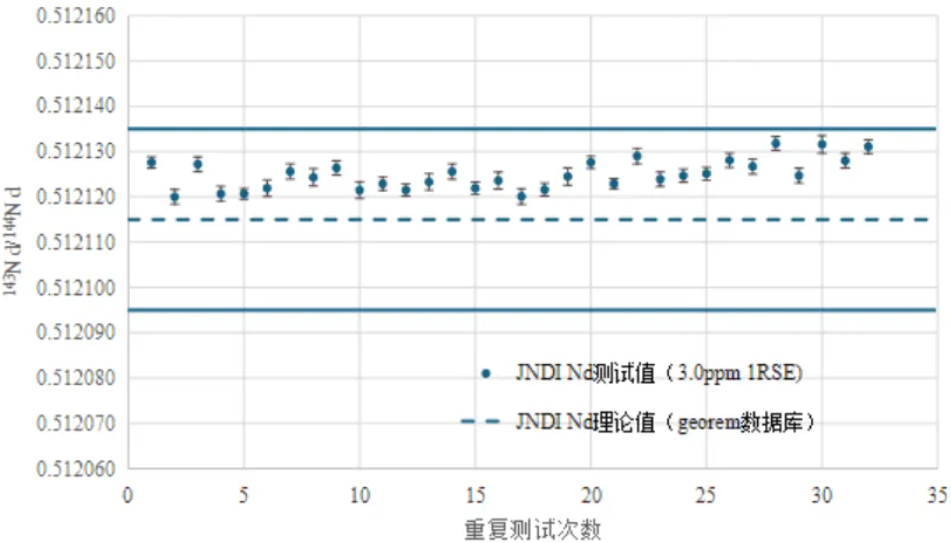
Figure 10 Nd isotopic ratio trend plot
In addition, we tested one sample (GBW02137, Pb isotopes), two samples (GSR-2 and AGV-2, Sr isotopes), and three samples (AGV-2, BHVO-2, and GSR-2, Nd isotopes). The results are listed in Table 5. The measured isotope ratios are generally consistent with the certified values, and the deviations between measured and theoretical values for different isotopic ratios range from −32.1 ppm to 38.7 ppm.
Table 5 Measured isotopic ratio results of reference materials
|
Type / Isotope |
207Pb/206Pb (GBW02137) |
87Sr/86Sr (GSR-2) |
87Sr/86Sr (AGV-2) |
143Nd/144Nd (AGV-2) |
143Nd/144Nd (BHVO-2) |
143Nd/144Nd (GSR-2) |
|
Measured Value |
0.87788 |
0.704946 |
0.703971 |
0.512797 |
0.512991 |
0.512402 |
|
Error (analytical) |
0.000000 |
0.000004 |
0.000004 |
0.000002 |
0.000002 |
0.000002 |
|
Theoretical / Reference Value |
0.87785 |
0.704929 ± 30 ppm |
0.703994 ± 30 ppm |
0.512790 ± 18 ppm |
0.512990 ± 15 ppm |
0.512390 ± 30 ppm |
|
Deviation (ppm) |
38.7 |
24.6 |
-32.1 |
14.3 |
2.1 |
22.9 |
To assess instrument stability, we calculated the RSD of the 235U signal from about 600 data points, which yielded 1.85%, indicating stable signals for high‑precision isotope ratio analysis, highly beneficial for obtaining high-precision isotope ratio data
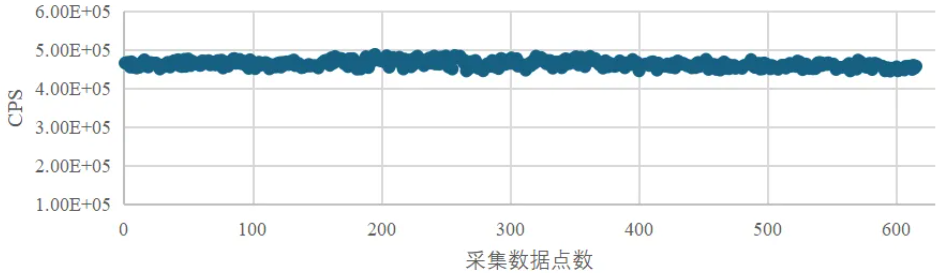
Figure 11 235U signal response trend plot
To confirm sensitivity, we repeatedly measured DragonMaster’s ionization efficiency (Table 6). With both MC Neptune plus and MC Neptune XT using a 50 μL/min nebulizer, U233 ionization efficiency ranged from 2.06% to 3.68% (average 2.64%), matching prominent foreign brands and meeting high industry standards.
Table 6 Comparison of ionization efficiency between DragonMaster and a leading foreign brand
|
Membrane Desolvation |
Mass Spectrometer |
Nebulizer Type |
Ionization Efficiency (%) |
Test Date |
|
|
IE₂₂₉ |
IE₂₃₃ |
||||
|
DragonMaster |
Neptune-XT |
ESI-50 µL/min |
1.40 |
2.06 |
2025-06-20 |
|
DragonMaster |
Neptune-XT |
ESI-50 µL/min |
1.60 |
2.36 |
2025-06-24 |
|
DragonMaster |
Neptune-XT |
Savillex-50 µL/min |
1.40 |
2.13 |
2025-06-24 |
|
Leading Foreign Brand |
Neptune-PLUS |
Savillex-50 µL/min |
1.60 |
2.70 |
2025-06-24 |
|
Leading Foreign Brand |
Neptune-PLUS |
ESI-50 µL/min |
2.30 |
3.68 |
2025-06-24 |
|
DragonMaster |
Neptune-PLUS |
ESI-50 µL/min |
2.34 |
3.47 |
2025-06-24 |
|
DragonMaster |
Neptune-PLUS |
ESI-100 µL/min |
1.70 |
2.16 |
2025-06-24 |
|
DragonMaster |
Neptune-PLUS |
ESI-100 µL/min |
1.87 |
2.89 |
2025-06-25 |
|
DragonMaster |
Neptune-PLUS |
ESI-50 µL/min |
1.89 |
2.70 |
2025-06-25 |
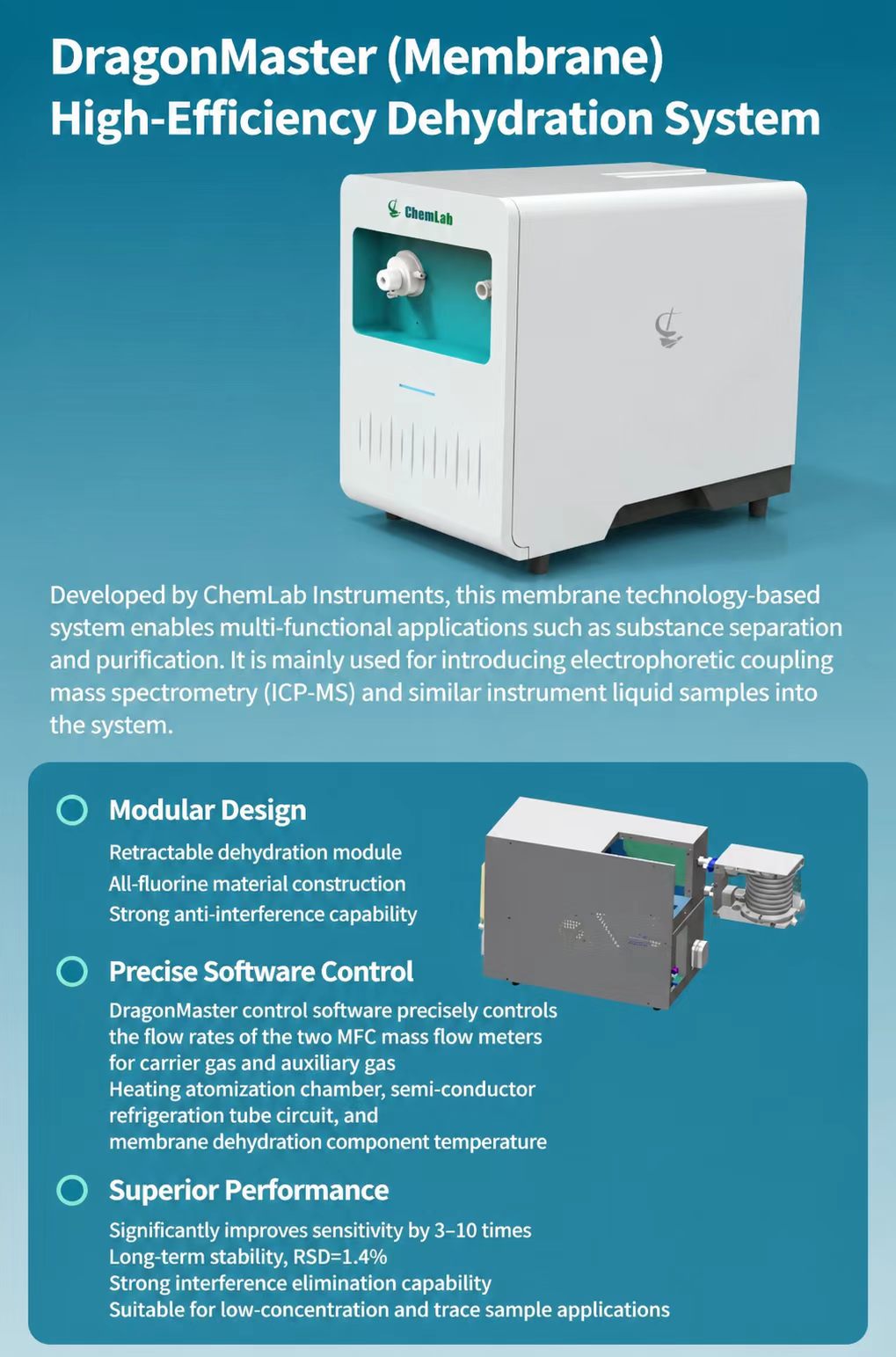
DragonMaster (Membrane Desolvation Nebulizer System)
Image description:
DragonMaster, developed by Shanghai ChemLab Instrument Co., Ltd., is a multifunctional membrane-based product for substance separation and purification. It primarily serves as a liquid sample introduction system for ICP-MS and similar devices.
Modular Design
1.Removable membrane desolvation module
2.All-perfluorinated material
3.Strong anti-interference capability
4.Precise software control: DragonMaster control software allows accurate regulation of flow rates for two mass flow controllers (MFC) (purge gas and nitrogen), as well as temperatures of the heated spray chamber, Peltier-cooled line, and heated membrane desolvation unit.
Superior Performance
1.High sensitivity enhancement: significantly improved by 3–10 times or more
2.Long-term stability: RSD = 1.4%
3.Strong interference elimination capability
4.Suitable for low-level and trace-level sample analysis
DragonMaster Test Summary
For the first time, the DragonMaster domestic membrane desolvation system was integrated with a multi-collector mass spectrometer (MC-ICP-MS), allowing precise measurement of U, Pb, Sr, and Nd isotope ratios. The system also proved to be extremely stable: during 20 hours of continuous testing at Northwest University, it maintained steady temperature control, exhibited no signal drift, and delivered reliable isotope ratios, which earned praise from the laboratory faculty.
DragonMaster marks a major advance in domestic membrane desolvation, offering a full alternative to leading international products. With ongoing collaboration, DragonMaster is poised to become a trusted resource for professionals.
We appreciate the support from Xi’an Jiaotong University and the State Key Laboratory of Continental Dynamics and Early Life at Northwest University. We plan to collaborate with other leading domestic labs for broader data and invite colleagues to connect with us and try our new equipment
Copyright 2024 Shanghai CHEMLAB Instrument Co., Ltd. All Rights Reserved
Shanghai ICP Filing No.65656565